Read a Nutrition Facts panel from the top down: serving size first, then servings per container, calories, key nutrients, percent daily value, and finally the ingredient list. Serving size drives every other number on the label, so start there. A minute of practice turns the panel from a confusing box into a quick reference.
Step one: start with serving size · Steps two and three: calories and key nutrients · Step four: use percent daily value as a yardstick · Step five: read the ingredient list · Step six: carry the habit to other labels
- Serving size controls every other number on the panel.
- Percent daily value is a quick yardstick: 5% is low, 20% is high.
- Read the ingredient list too; it is ordered by weight.
Step one: start with serving size
Every number below the heading refers to one serving, not the entire package. A bag of chips might list a serving as about a handful, while the bag contains three. If you eat the whole thing, you multiply each figure by three.
Check the household measure (cups, pieces, tablespoons) and compare it with the amount you really plate. This single comparison clears up more confusion than any other label habit. Next, glance at servings per container so you know how many portions you are holding.
Steps two and three: calories and key nutrients
Calories sit in large type because they are a quick way to compare similar foods, such as two brands of granola. Below them the panel lists nutrients in grams or milligrams. You do not have to memorize them all. Focus on a few that matter to your own eating style.
A practical approach is to pick two or three lines to watch and ignore the rest. Many shoppers look at the lines below when comparing packaged foods:
- Added sugars: shows how much was put in during processing, separate from what occurs naturally.
- Sodium: handy when comparing soups, sauces, and snack foods.
- Dietary fiber: a useful marker for grains, cereals, and breads.
- Protein: helpful when you are comparing yogurts, bars, or plant-based options.
Ready to start your routine?
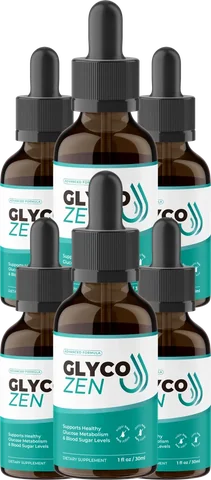
GlycoZen: a once-daily liquid, one dropper a day at the same time, with a 60-day money-back guarantee.
Order GlycoZen NowStep four: use percent daily value as a yardstick
The right-hand column shows percent daily value, which tells you how much one serving contributes to a general daily reference amount. The rule of thumb is simple: 5% or less is low, and 20% or more is high. That makes it easy to compare two cereals side by side without doing any math.
The general reference amounts come from a standard diet, so view the percentages as a handy guide rather than a personal target. Your own needs may differ, and that is perfectly fine; the numbers are there to help you compare, not to grade you. The Dietary Guidelines for Americans site explains the bigger picture of balanced eating if you want to read further.
Step five: read the ingredient list
The ingredient list shows what is inside, ordered by weight from most to least. If the first few items are whole foods you recognize, such as oats, almonds, or tomatoes, that tells you something about the product. A long list is not automatically a problem, but it is worth a quick read when you are choosing between similar options.
Look also for the contains statement near the list and for descriptions like whole grain, which you can confirm by seeing a whole grain as the first ingredient. Practice on three items in your pantry tonight: read each serving size, pick one nutrient line, and read the first three ingredients. It takes under five minutes and sharpens your eye quickly.
Over time you will start to notice patterns, like how flavored yogurts differ from plain ones or how two similar breads can vary in fiber. Those patterns make shopping faster, because you know which two or three lines to scan before the item goes into the cart.
Step six: carry the habit to other labels
Once you can read a food panel, the same instincts apply elsewhere. Supplements use a Supplement Facts panel with its own layout, and the questions are similar: what is the serving, how many servings are in the container, and what is listed. For example, the brand states that GlycoZen comes in a 1 fl oz (30 ml) amber dropper bottle with one dropper a day as the direction, and that one bottle lasts about 30 days. Our formula page describes what the label presents.
Label reading is a skill that rewards a little repetition. Take a minute at the store, pick up two similar items, and compare the lines you care about. For more everyday guides, see the blog, or learn about the drops on the what is GlycoZen page.